
Greenhouse Growers Insurance: Protecting Your Growing Operation
A greenhouse depends on more than its walls and roof. Heating, ventilation, irrigation, cooling systems, and other equipment help maintain […]
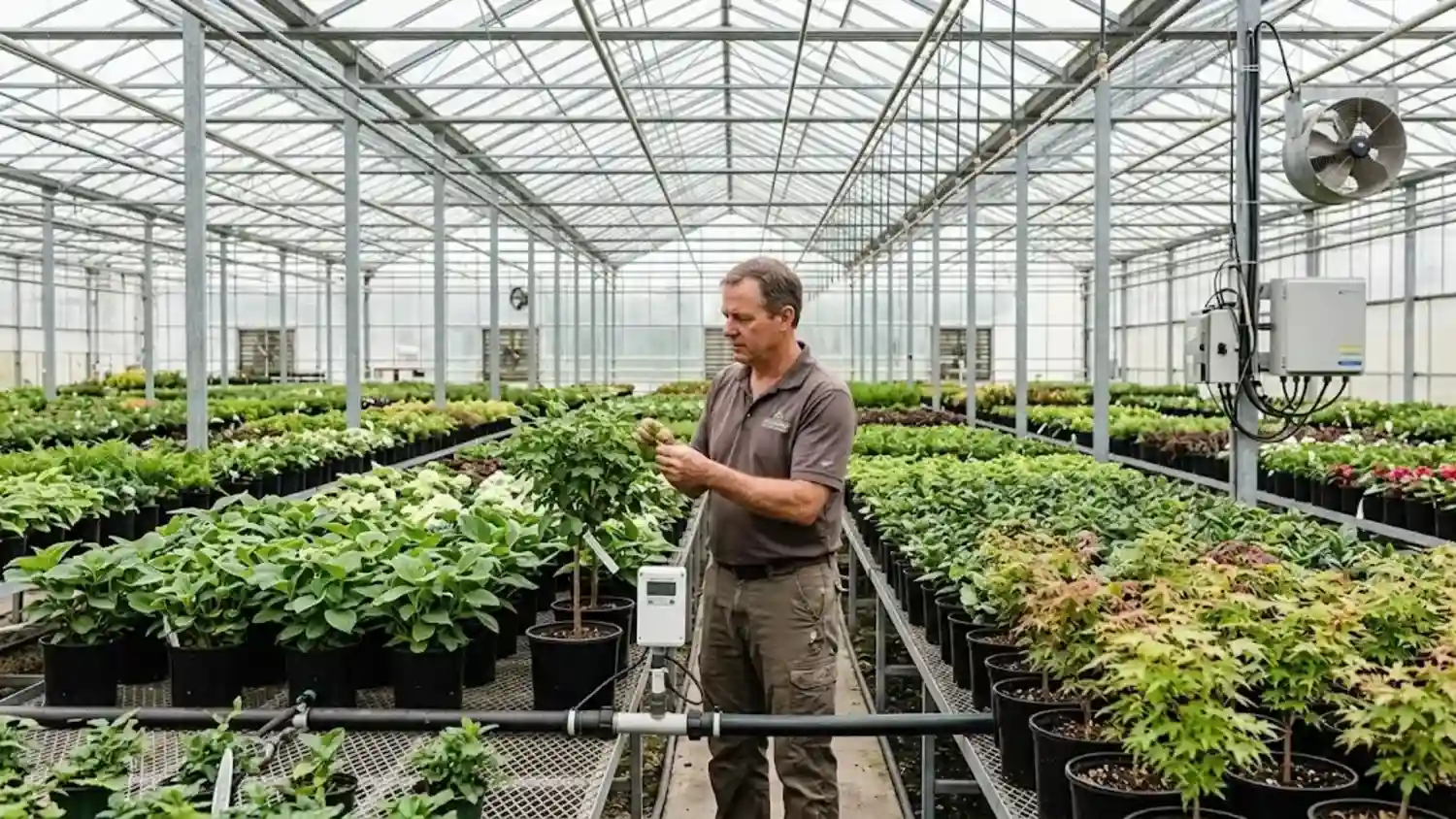

A greenhouse depends on more than its walls and roof. Heating, ventilation, irrigation, cooling systems, and other equipment help maintain the conditions plants need to grow. A damaged structure or equipment failure can disrupt production and affect inventory, deliveries, and revenue.
Greenhouse growers insurance refers to coverage options that help businesses manage these risks. The appropriate policy package depends on the greenhouse’s construction, growing methods, plant inventory, location, employees, and sales activities.
This guide explains the main coverage options greenhouse operators should consider, what can influence insurance costs, and how to prepare for a more useful conversation with an insurance provider.
What Is Greenhouse Growers Insurance?
Greenhouse growers insurance is a combination of business insurance policies selected for a greenhouse operation. Depending on the business, it may include commercial property, liability, equipment breakdown, vehicle, workers’ compensation, and business interruption coverage.
Plant inventory requires separate attention. Insurance for the greenhouse structure does not automatically mean that all plants, growing supplies, irrigation systems, or losses resulting from equipment failure are covered.
Before requesting a quote, explain what you grow, how plants are sold, which systems are used, and whether the operation includes retail sales, wholesale deliveries, or additional services.
Main Types of Insurance for Greenhouse Growers
Greenhouse structure and property coverage
Commercial property insurance may cover eligible buildings and business property against specified causes of loss.
Greenhouses may use glass, polycarbonate, plastic film, metal framing, or other construction materials. Their replacement costs and underwriting requirements can differ.
When discussing coverage, prepare details about:
- Greenhouse dimensions and construction materials
- Age, condition, and maintenance history
- Heating, ventilation, and cooling equipment
- Irrigation systems and environmental controls
- Storage buildings and other business structures
- Fire protection, security, and other risk controls
Confirm that each structure is accurately described in the policy. Ask how wind, hail, snow, fire, flooding, and other relevant causes of damage are treated.
Plant and crop coverage
Plant inventory can represent a major investment in seeds or young plants, growing media, containers, labor, and utilities. However, the available coverage depends on the policy and the growing operation.
Eligible wholesale nursery producers may be able to consider USDA’s Nursery Value Select (NVS) program. Beginning with the 2026 crop year, NVS replaced the Nursery Field Grown & Container program for new purchases.
Eligibility is not automatic for every greenhouse business. USDA’s program has requirements involving wholesale marketing, eligible plants, and documentation. Review the official USDA Nursery Value Select guidance and consult an authorized crop insurance agent to determine whether the program fits your operation.
Equipment breakdown coverage
Greenhouses may depend on heating units, boilers, fans, pumps, cooling systems, ventilation, and automated controls. A mechanical or electrical failure can interrupt growing conditions and disrupt operations.
Ask whether equipment breakdown coverage is suitable for your systems. Confirm which equipment qualifies, which failures are covered, and whether the policy addresses resulting property damage, plant losses, or interruption-related expenses.
These are separate coverage questions, so ask for clear explanations instead of assuming one endorsement handles every consequence of a breakdown.
General liability insurance
General liability insurance may help with covered third-party bodily injury, property damage, and certain personal or advertising injury claims.
Potential exposures include customer visits, retail areas, loading zones, and deliveries. If your greenhouse business also provides landscaping, installation, or other services, disclose those activities to your insurer.
Workers’ compensation insurance
Employees may work around machinery, wet floors, heavy containers, and temperature-controlled environments. Workers’ compensation generally addresses qualifying workplace injuries and occupational illnesses under applicable state law and policy terms.
Requirements vary by state and business circumstances. Confirm the rules that apply to your operation and describe employees’ duties accurately.
Commercial auto insurance
If the business owns vehicles or employees transport plants and supplies for work, commercial auto insurance may be appropriate.
Explain the types of vehicles used, delivery routes, trailer use, and who drives them. A personal auto policy may not cover every business-related activity.
Business interruption coverage
A covered property loss may force a greenhouse to reduce or suspend operations. Business interruption coverage may help with eligible lost income and specified continuing expenses during a covered restoration period.
Review the waiting period, restoration period, exclusions, and coverage limits. Ask whether additional expenses to resume operations may qualify and how a partial shutdown is treated.
What Affects Greenhouse Growers Insurance Costs?
Premiums vary by business and insurer. Factors may include:
- Greenhouse size, construction, age, and condition
- Location and exposure to weather-related hazards
- Replacement values of buildings and equipment
- Plant inventory and available coverage
- Heating, cooling, irrigation, and environmental systems
- Employee count and workplace activities
- Deductibles, limits, and claims history
Compare quotes with consistent information. A cheaper option may exclude a structure, equipment category, or plant-related loss that matters to your business.
How to Prepare for Insurance Quotes
Create a property schedule
List each greenhouse and other structure, including dimensions, construction type, age, and estimated replacement value. Include major machinery, irrigation systems, heating equipment, and other important assets.
Keep plant records current
Record plant categories, quantities, growing locations, purchases, sales, and inventory values. Update records as stock changes, and keep supporting invoices or other documents.
If you are considering specialized crop insurance, check the program’s specific inventory and recordkeeping requirements.
Review equipment and weather risks
Identify which events could cause the greatest disruption at your location. Discuss wind, hail, snow, freeze, fire, power interruptions, water supply, and equipment failure with your insurance professional.
Maintenance schedules, monitoring systems, backup procedures, and emergency plans may help manage operational risk. They do not guarantee coverage or eliminate the need to review insurance terms.
Account for seasonal changes
Plant inventory and revenue may rise during busy growing or sales periods. Explain these changes to your insurer and ask whether the policy remains appropriate throughout the year.
Compare policy terms, not just premiums
Review exclusions, deductibles, sublimits, waiting periods, covered causes of loss, and valuation methods. Ask for written clarification about greenhouse structures, equipment, and plant inventory before purchasing.
Common Greenhouse Insurance Mistakes
Assuming the plants are covered with the structure. Building coverage does not automatically cover every plant or piece of equipment inside.
Overlooking environmental-control systems. Heating, cooling, ventilation, and irrigation equipment may have specific coverage conditions.
Using outdated property values. New greenhouses, upgrades, and machinery can make an old schedule inaccurate.
Ignoring operational interruptions. Repairs can affect revenue and continuing expenses, even after physical damage has been addressed.
Keeping incomplete records. Inventory reports, equipment invoices, and maintenance records help document the operation.
Frequently Asked Questions
Does greenhouse insurance cover storm damage?
It depends on the policy, structure, location, and cause of damage. Wind, hail, snow, flooding, and other weather events may have different terms, exclusions, or limits. Confirm the details in writing.
Are plants inside a greenhouse automatically insured?
No. The structure, plants, equipment, and supplies may be treated as separate property categories. Ask which inventory is insured and which causes of loss qualify.
Can greenhouse growers obtain crop insurance?
Some operations may qualify for specialized federal crop insurance, but eligibility depends on the program and the grower’s circumstances. An authorized crop insurance agent can help assess available options.
Is equipment breakdown coverage worth considering?
It may be worth evaluating when the operation relies on machinery or environmental controls whose failure could disrupt production. Suitability depends on the equipment, existing policy terms, and the financial risks the business needs to manage.
How often should greenhouse insurance be reviewed?
Review coverage annually and whenever you add a greenhouse, install major equipment, expand production, hire employees, or change your sales and delivery activities.
Final Thoughts
Greenhouse growers insurance should reflect the whole operation, not just the building. Structures, plant inventory, equipment, employees, vehicles, and business interruptions may each require different coverage considerations.
Start with an accurate property schedule, current inventory records, and a clear understanding of the risks that could interrupt production. For a broader overview, read our guide to plant nursery insurance and its main coverage options. For other practical planning topics, explore BusinessNexa’s small business resources.
Compare written quotes and confirm exclusions, limits, and eligibility requirements with a licensed insurance professional before purchasing coverage.
admin
Practical business guides, useful tools, and technology insights from BusinessNexa.

Work smarter with practical business tools.
Explore useful calculators, guides and tools for modern businesses.

