
Commercial Nursery Insurance: A Practical Guide for Growing Businesses
A commercial nursery may manage thousands of plants, multiple growing areas, irrigation systems, equipment, employees, and regular deliveries. The business […]
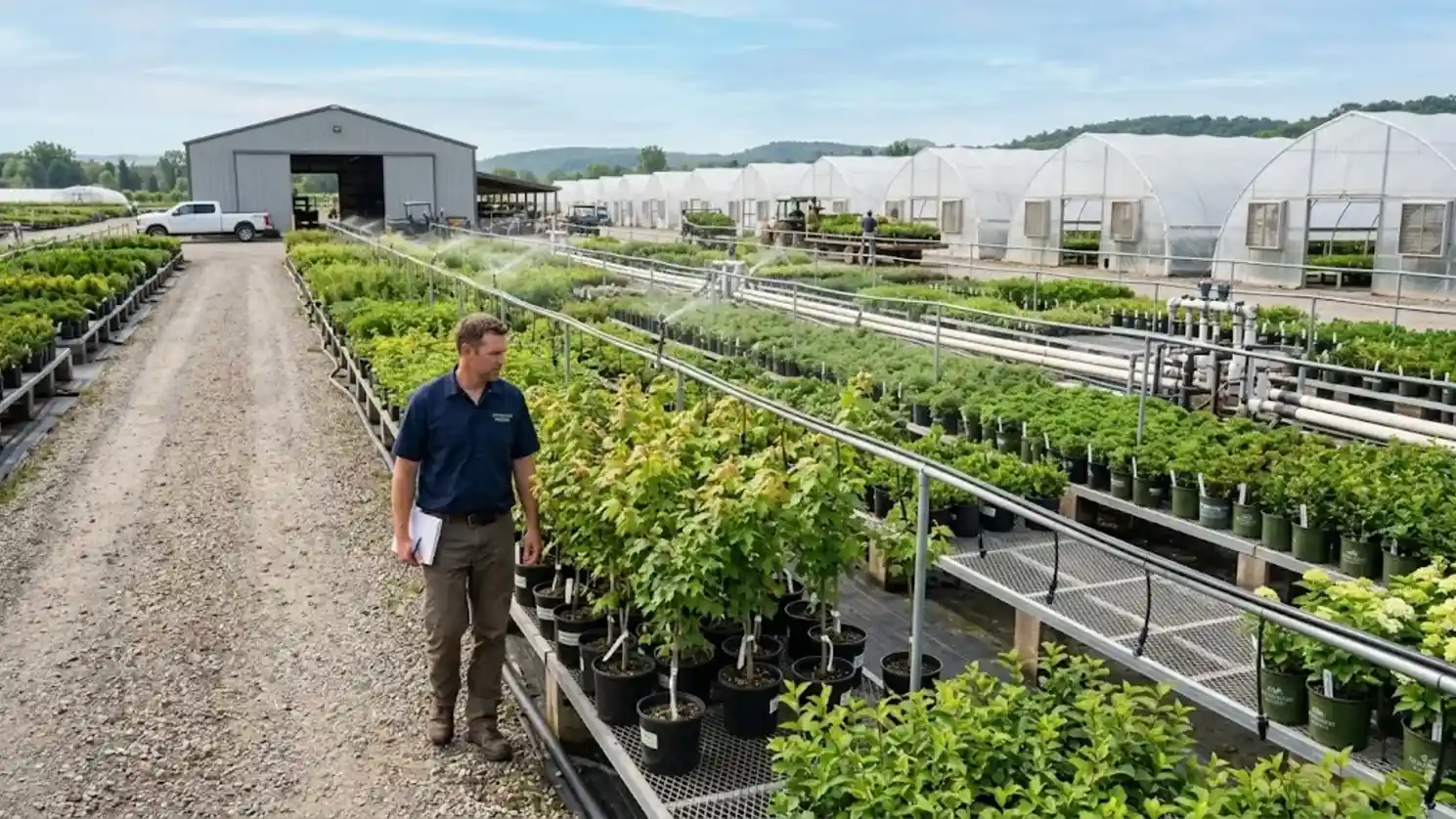

A commercial nursery may manage thousands of plants, multiple growing areas, irrigation systems, equipment, employees, and regular deliveries. The business may also have contracts with retailers, landscapers, or other commercial customers. If a major loss interrupts operations, the financial impact can extend beyond the damaged property.
Commercial nursery insurance helps businesses manage specific risks associated with growing and selling plants. The right policy package depends on the size of the operation, the assets it owns, the services it provides, and how it sells its inventory.
This guide covers the main insurance options, practical steps for preparing quotes, and the details owners should review before choosing coverage.
What Is Commercial Nursery Insurance?
Commercial nursery insurance is a combination of business insurance policies selected for the risks of a commercial plant-growing operation. It may include liability, property, vehicle, employee, equipment, and business interruption coverage.
Plant inventory deserves particular attention because it may not be treated the same way as buildings or machinery. A general commercial policy may contain exclusions or special limits for plants, outdoor stock, greenhouse contents, or certain weather-related losses.
When requesting quotes, describe the full business rather than simply identifying it as a nursery. Explain whether you grow plants for wholesale, operate a retail area, deliver orders, or provide landscaping and installation services.
Essential Coverage Options for Commercial Nurseries
Commercial general liability
Commercial general liability insurance may help address covered third-party bodily injury, property damage, and certain personal or advertising injury claims.
For example, a visitor could be injured in a customer area, or an employee could accidentally damage property during a delivery. Whether a claim is covered depends on the circumstances and policy terms.
Tell your insurer about customer visits, loading areas, sales events, deliveries, and services performed away from the nursery. These activities can affect the coverage that makes sense for your operation.
Commercial property insurance
Commercial property coverage may protect eligible buildings, tools, machinery, office contents, and supplies against covered causes of loss.
Create a property schedule that identifies each major asset, including:
- Offices, storage buildings, and warehouses
- Greenhouses and other growing structures
- Irrigation systems and environmental controls
- Potting, packing, and loading equipment
- Tools, supplies, and eligible business contents
Do not assume that every plant, outdoor growing area, or greenhouse component is covered under the same terms. Ask the insurer to explain the treatment of each category.
Nursery stock and crop insurance
Plants held for sale can represent a significant part of a nursery’s investment. Commercial property coverage may not provide the same protection as a specialized crop insurance program.
USDA’s Nursery Value Select (NVS) is an inventory-based federal crop insurance pilot for eligible nursery producers. Beginning with the 2026 crop year, NVS replaced the Nursery Field Grown & Container program for new purchases.
Eligibility rules matter. USDA guidance includes wholesale marketing requirements, and producers must satisfy the program’s conditions. A retail-only plant shop should not assume it qualifies. Review the official Nursery Value Select program and consult an authorized crop insurance agent.
Equipment breakdown coverage
Commercial nurseries may rely on pumps, boilers, heating systems, ventilation, cooling equipment, and automated controls. A breakdown can interrupt operations and potentially affect plant health.
Ask whether equipment breakdown coverage is appropriate and which systems qualify. Confirm whether the policy addresses the equipment itself, resulting property damage, plant losses, and interruption-related expenses. These may be treated differently.
Workers’ compensation insurance
Employees may pot plants, lift containers, operate machinery, prune trees, load deliveries, and maintain growing structures. Workers’ compensation generally addresses qualifying work-related injuries and occupational illnesses under applicable state law and policy terms.
Requirements differ by state and business circumstances. Confirm the rules where your employees work and provide an accurate description of their duties.
Commercial auto insurance
Commercial auto coverage may be needed for business-owned vehicles or vehicles used for nursery deliveries and other work-related activities.
Describe the vehicles, delivery routes, trailer use, and who drives them. Personal auto insurance may not cover every business use.
Business interruption coverage
If a covered property loss forces the nursery to reduce or stop operations, business interruption coverage may help with eligible lost income and specified ongoing expenses during the covered restoration period.
Ask how the policy defines a covered interruption, what waiting period applies, how long benefits may last, and which expenses qualify. Do not assume a decline in sales or any operational problem automatically triggers coverage.
How to Assess Your Nursery’s Insurance Needs
Build an accurate property schedule
List each building, greenhouse, major piece of equipment, and business vehicle. Record approximate replacement values and keep invoices or other supporting documents where available.
Discuss valuation with your agent. The cost to replace an item may differ from its accounting value or resale price.
Maintain plant inventory records
Record plant categories, quantities, locations, and stock movement. Keep purchase invoices, sales records, and regular inventory reports.
These records can help the business understand its assets and may be important when applying for specialized coverage or documenting a claim.
Review customer and contract obligations
Wholesale agreements, leases, and customer contracts may contain insurance requirements. Review these documents before choosing liability limits or issuing certificates of insurance.
A certificate provides evidence of certain insurance information; it does not automatically amend the policy or create additional coverage.
Account for seasonal changes
Inventory, staffing, and revenue may change significantly during peak growing or sales periods. Discuss these changes with the insurer rather than assuming that last year’s coverage remains suitable.
USDA’s NVS program also includes a Peak Endorsement Pilot for eligible policyholders seeking increased coverage during a designated period. Availability, timing, and requirements should be checked in current program documents.
What Affects Commercial Nursery Insurance Costs?
Premiums vary by insurer and business profile. Factors may include:
- Location and exposure to local hazards
- Buildings, greenhouse construction, and equipment values
- Nursery size and growing practices
- Plant inventory and the coverage selected for it
- Employee count and work activities
- Vehicle types, use, and driving history
- Claims history, deductibles, and policy limits
Request quotes using the same business information and comparable coverage limits. If one quote is much cheaper, check whether it has lower limits, larger deductibles, or exclusions that affect your most valuable assets.
Checklist Before Requesting Quotes
Prepare these details before contacting an insurance provider:
- Business locations and a description of operations.
- A list of buildings, greenhouses, equipment, and vehicles.
- Current plant inventory information and supporting records.
- Details of wholesale, retail, delivery, and service activities.
- Employee numbers and descriptions of their duties.
- Available claims history.
- Lease, lender, or customer insurance requirements.
- Desired coverage limits and deductibles.
Providing consistent information makes it easier to compare quotes on a like-for-like basis.
Commercial Nursery Insurance Mistakes to Avoid
Treating all property alike: Plants, buildings, outdoor stock, and equipment may have different coverage terms.
Leaving out business activities: Delivery, landscaping, installation, or other services can change the risks an insurer needs to assess.
Ignoring inventory documentation: Incomplete records may make it harder to substantiate the value of stock.
Choosing limits without reviewing contracts: Commercial customers and landlords may require particular coverage.
Failing to update the policy: New facilities, equipment, staff, or inventory can make an old policy inaccurate.
Frequently Asked Questions
Is commercial nursery insurance different from standard business insurance?
It can be. Commercial nurseries may have specialized exposures involving plant inventory, greenhouses, irrigation, weather, and seasonal operations. Coverage should reflect those risks rather than rely on a generic business description.
Does commercial nursery insurance cover every plant?
No. Coverage depends on the policy, plant category, location, cause of loss, exclusions, and any separate crop insurance. Ask the insurer to explain plant coverage in writing.
Do wholesale nurseries need liability insurance?
Liability coverage may be important for customer, delivery, and contractual exposures. The appropriate limits depend on the business and any legal or contractual requirements that apply.
How often should coverage be reviewed?
Review the policies at least annually and whenever you expand, add equipment or vehicles, hire more employees, or change your growing and sales activities.
Final Thoughts
Commercial nursery insurance should be based on the operation’s actual assets, inventory, services, and obligations. A current property schedule, reliable plant records, and a careful comparison of policy terms can help owners make better-informed decisions.
For a broader overview, read our guide to insurance options for plant nurseries. For help with wider business planning, explore BusinessNexa’s small business resources.
Review the policy documents and confirm eligibility with a licensed insurance professional before purchasing coverage.
admin
Practical business guides, useful tools, and technology insights from BusinessNexa.

Work smarter with practical business tools.
Explore useful calculators, guides and tools for modern businesses.

