
What Does Business Insurance Cost for a Greenhouse? A Practical Guide
Operating a greenhouse involves risks that are different from those faced by many ordinary commercial businesses. A greenhouse may contain […]
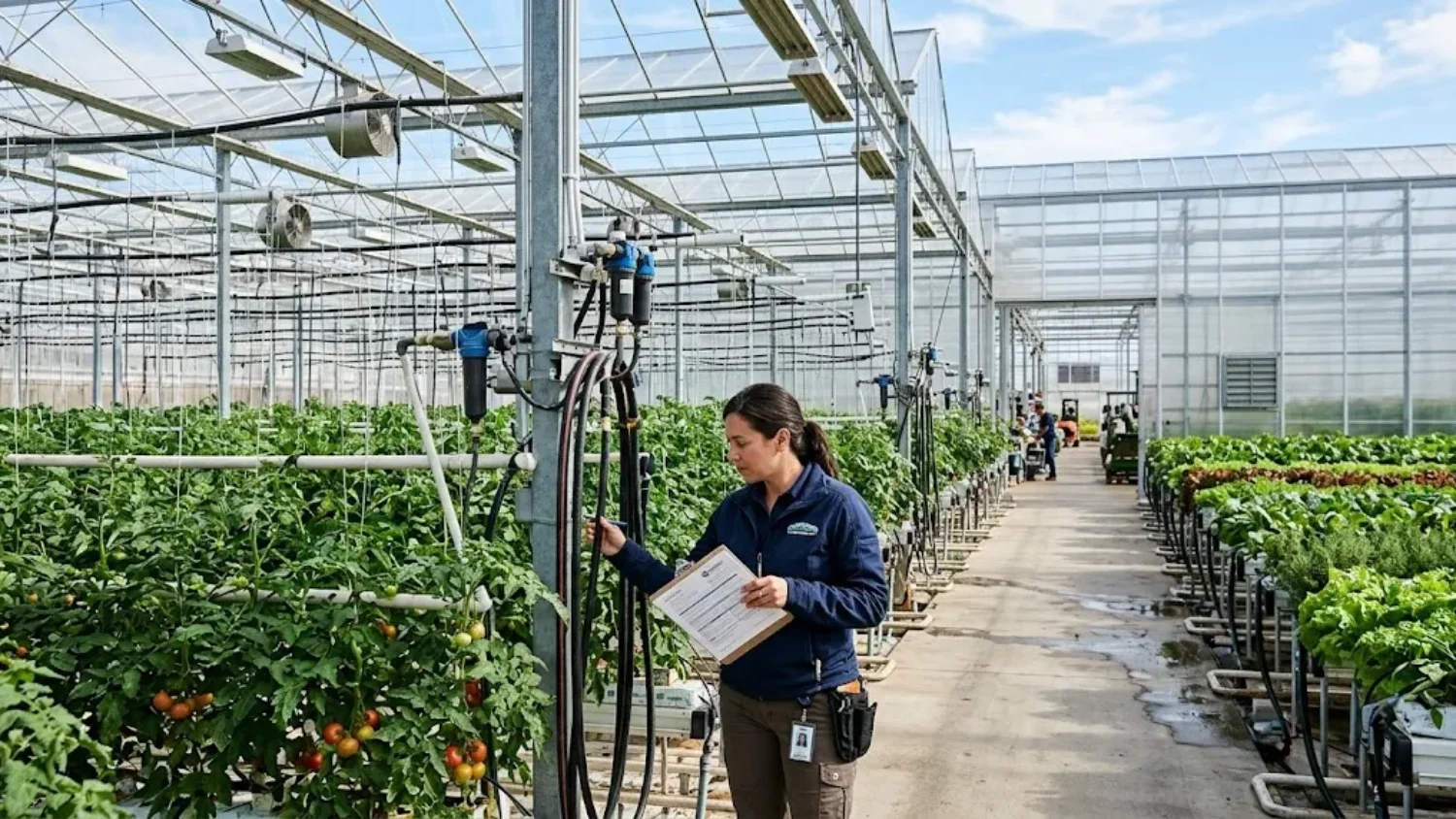

Operating a greenhouse involves risks that are different from those faced by many ordinary commercial businesses. A greenhouse may contain expensive structures, glass or plastic coverings, heating and ventilation systems, irrigation equipment, growing inventory, and supplies that depend on controlled environmental conditions.
A fire, severe storm, equipment breakdown, or other unexpected event can damage more than the building. It may also interrupt production, destroy plants, delay customer orders, and affect the business’s income.
That is why insurance deserves careful attention when planning a greenhouse operation. But what does business insurance cost for a greenhouse? There is no single price that applies to every facility. Premiums depend on the property, its location, construction, equipment, inventory, business activities, coverage limits, and the insurer’s underwriting requirements.
This guide explains the factors that influence greenhouse insurance costs, the coverage options worth reviewing, and how to obtain quotes that reflect the actual risks of your business.
What Does Business Insurance Cost for a Greenhouse?
The cost of greenhouse business insurance varies from one operation to another. A small greenhouse with limited equipment and a straightforward retail operation may have very different insurance needs from a large commercial facility with multiple structures, employees, valuable crops, and specialized heating systems.
Insurance providers do not necessarily calculate one combined premium using the same method for every type of coverage. Property insurance, general liability, equipment breakdown, workers’ compensation, and business interruption may be evaluated separately or included in a broader insurance package.
For this reason, a generic online price should not be treated as a reliable quote for a specific greenhouse.
A more useful way to estimate the cost is to identify the assets that need protection, determine the coverage limits required, and request quotes based on the operation’s actual characteristics.
What Factors Affect Greenhouse Insurance Costs?
Insurers evaluate the likelihood of a loss and the financial impact it could have. Several details can influence the premium and the availability of coverage.
1. Greenhouse Size and Replacement Value
The size of a greenhouse can affect how much property needs to be insured, but square footage alone does not determine the premium.
An insurer may also consider:
- The cost of rebuilding the structure
- The value of frames, glazing, and foundations
- Attached buildings and storage areas
- Electrical and environmental control systems
- The value of equipment and other covered property
The amount needed to rebuild a greenhouse may differ from its original purchase price. Owners should estimate replacement costs using current construction requirements and material prices rather than relying only on historical spending.
2. Construction Materials and Structural Design
Greenhouses can use glass, polycarbonate panels, plastic film, metal frames, and other construction materials.
Each structure has different repair, replacement, and weather-related considerations. Insurers may ask about the building’s age, foundation, anchoring, frame condition, roofing, and glazing.
A well-maintained structure with clear construction records may be easier to evaluate than an older building with incomplete documentation or unresolved maintenance issues.
3. Location and Weather Exposure
Location can have a significant influence on underwriting.
A greenhouse in an area exposed to hurricanes, hail, flooding, heavy snowfall, or strong winds may present different risks from a facility in a region with less severe weather exposure.
Insurers may consider local weather patterns, flood exposure, previous losses, and the building’s ability to withstand relevant environmental conditions.
Owners should not assume that ordinary property coverage automatically includes every weather-related loss. Policy wording and exclusions need to be reviewed carefully.
4. Type and Value of Plants
The value of growing inventory can change throughout the year.
A greenhouse may hold seedlings, flowers, vegetables, ornamental plants, or crops that are close to being ready for sale. Losing these plants could affect both inventory value and future customer orders.
The insurer may need information about:
- The types of plants being grown
- Approximate inventory value
- Seasonal changes in stock
- Growing and harvesting cycles
- Storage and handling arrangements
Plant and crop coverage can be more specialized than ordinary building insurance, so owners should confirm whether their policy actually protects growing inventory.
5. Equipment and Machinery
Greenhouses often depend on equipment to maintain suitable growing conditions.
Important assets may include:
- Heating systems and boilers
- Ventilation and cooling equipment
- Irrigation systems
- Electrical controls
- Generators
- Pumps and water management equipment
The age, condition, maintenance history, and replacement value of this equipment can affect the insurance assessment.
A breakdown may also create losses beyond the cost of repairing the machine. For example, a heating failure during cold weather could damage plants even if the greenhouse structure remains intact.
6. Annual Revenue and Business Activities
The nature and scale of the business can influence coverage requirements.
A wholesale greenhouse supplying retailers may have different exposures from a small nursery selling directly to local customers. A facility that welcomes visitors may also have different liability considerations from one that operates with restricted access.
Insurers may ask about annual revenue, customer activity, employees, delivery arrangements, and the products or services being offered.
What Types of Insurance Does a Greenhouse Business Need?
Greenhouse owners should not assume that one commercial policy automatically covers every risk. Several types of protection may be relevant.
Commercial Property Insurance
Commercial property insurance may protect eligible buildings, equipment, inventory, and other business property against specified causes of loss.
For greenhouse operations, confirm whether the policy includes the actual greenhouse structures and their components. Ask specifically about frames, glass, plastic coverings, attached structures, and growing inventory.
The policy’s definitions and exclusions determine what is covered.
General Liability Insurance
General liability insurance may help protect a business against certain third-party claims involving bodily injury, property damage, and covered legal expenses.
For example, a customer visiting a retail greenhouse may slip on a wet walkway and claim that the business was responsible.
The policy limits, exclusions, and circumstances of the incident determine whether the claim qualifies.
Equipment Breakdown Coverage
Equipment breakdown coverage may address certain mechanical or electrical failures involving covered machinery.
This can be particularly relevant when heating, cooling, ventilation, or irrigation equipment plays an essential role in the growing process.
Ask whether the policy also addresses resulting damage to plants, products, or other property. Equipment repair coverage does not automatically mean crop losses are covered.
Business Interruption Insurance
Business interruption insurance may help replace eligible lost business income or cover certain continuing expenses after a covered property loss interrupts operations.
For example, if a covered fire makes a greenhouse unusable, the business may lose sales while still facing certain ongoing expenses.
The policy may include a waiting period, coverage limit, restoration period, and specific requirements for a qualifying interruption.
Workers’ Compensation Insurance
Greenhouse businesses with employees should review their workers’ compensation obligations.
Requirements vary by state and business circumstances. Workers’ compensation generally addresses eligible workplace injuries and occupational illnesses under applicable laws and policy terms.
Commercial Auto Insurance
A greenhouse that uses vehicles for deliveries, transporting equipment, or other business activities may need commercial auto insurance.
Owners should not assume that personal auto coverage automatically applies to vehicles used for commercial purposes.
How Coverage Limits and Deductibles Affect the Cost
The premium is influenced not only by the greenhouse itself but also by the protection selected.
Coverage Limits
A coverage limit is the maximum amount an insurer may pay for a covered loss, subject to the policy terms.
Higher limits can increase premiums because the insurer is accepting a greater potential financial responsibility.
Owners should estimate realistic replacement values for structures, machinery, and eligible inventory. Underinsuring property can create serious problems after a major loss.
Deductibles
A deductible is the amount the policyholder must pay toward a covered claim.
For example, if a covered claim is approved for $20,000 and the applicable deductible is $2,000, the insurer’s payment would generally be $18,000, subject to the policy terms and any other applicable limits.
A higher deductible may reduce the premium in some circumstances, but it also means the business must be able to absorb more of the loss itself.
Policy Exclusions
Exclusions identify losses or circumstances that the policy does not cover.
Greenhouse owners should pay particular attention to provisions involving:
- Flooding and surface water
- Wind and hail
- Glass or plastic covering damage
- Equipment breakdown
- Crop and growing-stock losses
- Power interruption
- Gradual deterioration
- Mold or other specified conditions
A lower premium is not necessarily a better deal if the policy excludes the risks that matter most to the operation.
How to Estimate the Insurance Budget for a Greenhouse
There is no reliable universal premium to apply to every greenhouse. However, owners can prepare a more useful budget by organizing the information an insurer will need.
Start with a property inventory:
| Asset or exposure | Information to prepare |
|---|---|
| Greenhouse structure | Dimensions, construction, age, replacement value |
| Equipment | Type, age, condition, replacement cost |
| Plant inventory | Types of plants and estimated value |
| Business operations | Retail, wholesale, production, or other activities |
| Employees | Number of employees and job responsibilities |
| Vehicles | Business use and vehicle details |
| Business income | Revenue and continuing operating expenses |
Then request quotes using comparable coverage limits and deductibles.
If one insurer quotes only the building while another includes equipment and inventory, their premiums are not directly comparable. Make sure you are comparing similar protection.
How to Get an Accurate Greenhouse Insurance Quote
A well-prepared application can reduce delays and help insurers evaluate the operation more accurately.
Step 1: Document the Property
Prepare the greenhouse dimensions, construction materials, age, foundation details, and photographs. Include information about repairs and structural inspections.
Step 2: Prepare an Equipment Inventory
List important machinery, including heating systems, boilers, ventilation equipment, pumps, irrigation systems, and generators.
Include estimated replacement values and maintenance records where available.
Step 3: Estimate Plant and Inventory Values
Document the types of plants and products held by the business. Explain how inventory changes during different growing seasons.
Step 4: Describe the Business Operations
Tell the insurer whether the greenhouse operates as a wholesale grower, retail nursery, food producer, or another type of business.
Include information about employees, customers, contractors, and delivery activities.
Step 5: Request Comparable Quotes
Ask insurance providers or a qualified commercial insurance broker to quote similar coverage limits, deductibles, and policy features.
Step 6: Review the Policy Before Buying
Read the exclusions, conditions, waiting periods, and coverage definitions. Confirm that important greenhouse structures, equipment, and inventory are addressed.
How to Manage Greenhouse Insurance Costs
Although business owners cannot control every factor affecting premiums, they can improve how risks are managed.
- Inspect frames, foundations, roofs, and coverings regularly.
- Maintain heating, ventilation, and electrical equipment.
- Keep maintenance and inspection records.
- Use suitable fire protection and security measures.
- Maintain accurate equipment and inventory records.
- Develop procedures for severe weather and equipment failure.
- Review property values and coverage limits when the business expands.
These steps do not guarantee a lower premium, but they can help demonstrate responsible risk management and reduce preventable losses.
Frequently Asked Questions
Is Greenhouse Insurance Expensive?
It depends on the structure, location, equipment, inventory, coverage limits, deductibles, and business activities. A quote based on the actual property is more useful than a generic online estimate.
Does Commercial Property Insurance Cover a Greenhouse?
It may cover eligible greenhouse property, but owners should confirm that the specific structure, glazing, equipment, and other assets are included. Do not assume that every greenhouse component is automatically covered.
Does Greenhouse Insurance Cover Plants?
Some specialized insurance arrangements offer crop or growing-stock protection. Coverage varies, so ask how the policy defines covered plants, qualifying losses, and valuation.
Can Insurance Cover Lost Income After a Greenhouse Damage Event?
Business interruption coverage may address eligible lost income after a covered event, subject to policy conditions, limits, and waiting periods.
Should a Greenhouse Owner Use a Specialist Insurance Broker?
A broker familiar with greenhouse or agricultural risks may help identify insurers and coverage options suited to the operation. The business owner should still review the final policy terms carefully.
Conclusion
The cost of business insurance for a greenhouse depends on more than the building’s size. Construction materials, location, weather exposure, equipment, plant inventory, business activities, coverage limits, and deductibles all influence the insurance decision.
Rather than relying on a generic price estimate, prepare a detailed inventory and request quotes based on the actual operation. Compare the protection, exclusions, deductibles, and limits instead of choosing a policy only because its premium is lower.
If you are also concerned about whether a specialist insurer will accept your operation, read our guide on how difficult it can be to insure a commercial greenhouse.
admin
Practical business guides, useful tools, and technology insights from BusinessNexa.


Work smarter with practical business tools.
Explore useful calculators, guides and tools for modern businesses.