
Insurance on Plant Nursery Stock: What Nursery Owners Should Know
A plant nursery can spend months or even years growing inventory before it is ready for sale. Young trees, ornamental […]
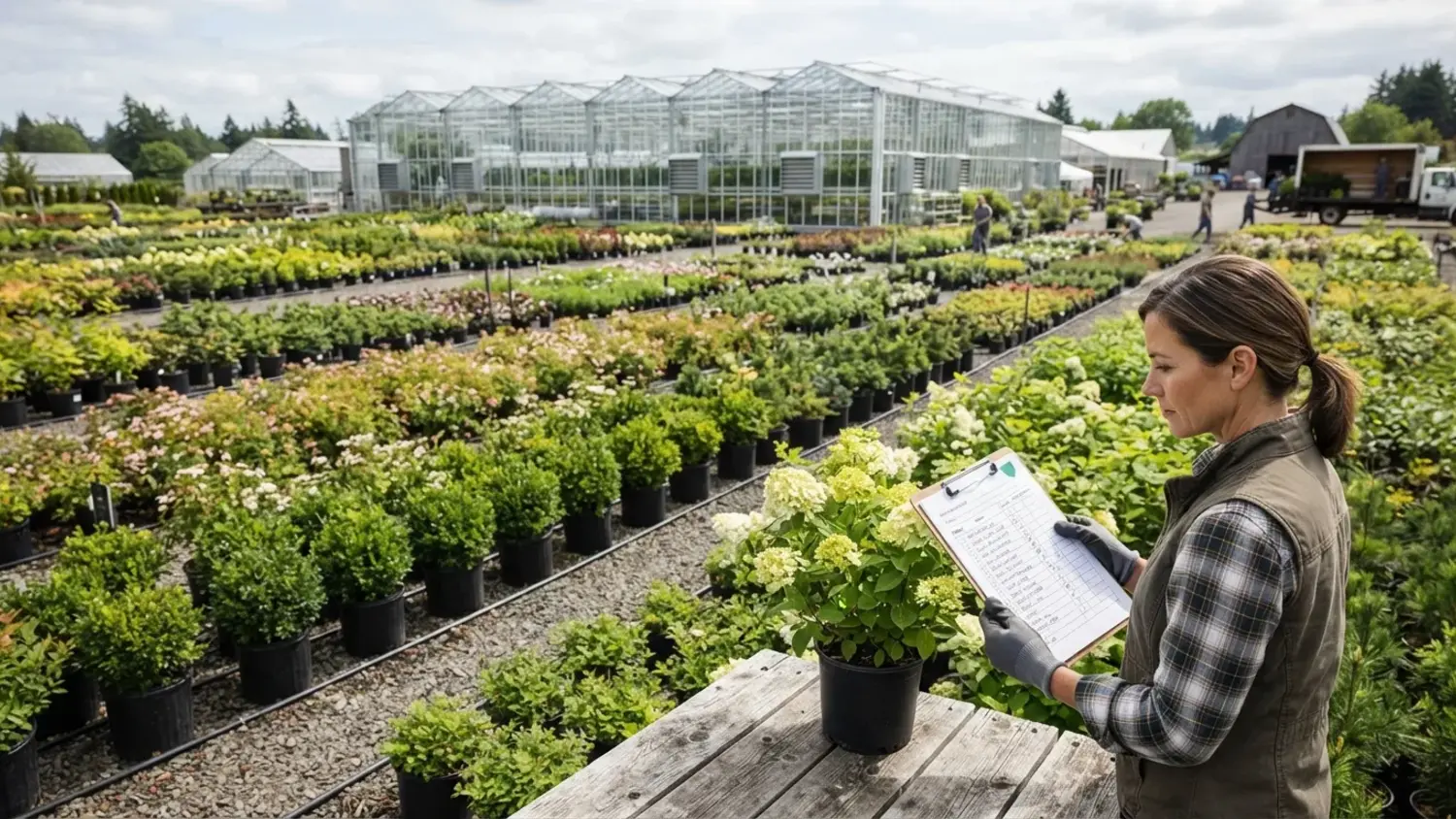

A plant nursery can spend months or even years growing inventory before it is ready for sale. Young trees, ornamental shrubs, flowering plants, and container-grown stock all require space, labor, water, and ongoing care. When an unexpected event damages that inventory, the financial consequences can extend well beyond the cost of replacing individual plants.
Insurance on plant nursery stock can help businesses manage these risks, but finding appropriate coverage requires more than purchasing a standard commercial property policy. Living inventory has different characteristics from ordinary retail merchandise, and some insurance policies treat outdoor plants, greenhouse stock, and field-grown trees differently.
For eligible wholesale nurseries in the United States, the USDA’s Nursery Value Select (NVS) program provides a specialized crop insurance option. Other businesses may need commercial property coverage or a combination of insurance products to address their particular exposures.
Understanding how these options work can help nursery owners protect their investment, maintain accurate inventory records, and make better decisions when comparing insurance policies.
Why Plant Nursery Inventory Needs Special Protection
Nursery inventory is constantly changing. Plants grow, move between production areas, and increase in value as they become larger or more marketable. A nursery might start with inexpensive seedlings and eventually sell mature trees or established shrubs at considerably higher prices.
This makes plant inventory different from many other types of business property.
Consider a nursery that grows ornamental trees for landscaping contractors. It may have hundreds of trees in different stages of development. If a severe weather event damages a growing area, the business could lose plants that took several growing seasons to produce.
The financial impact may include:
- The value of damaged or destroyed plants.
- Money already invested in growing and maintaining inventory.
- Additional expenses associated with replacing stock.
- Delays in fulfilling customer orders.
- Lost sales opportunities during important selling seasons.
Not every one of these losses will qualify for insurance reimbursement. The actual protection depends on the policy, covered causes of loss, exclusions, and applicable limits.
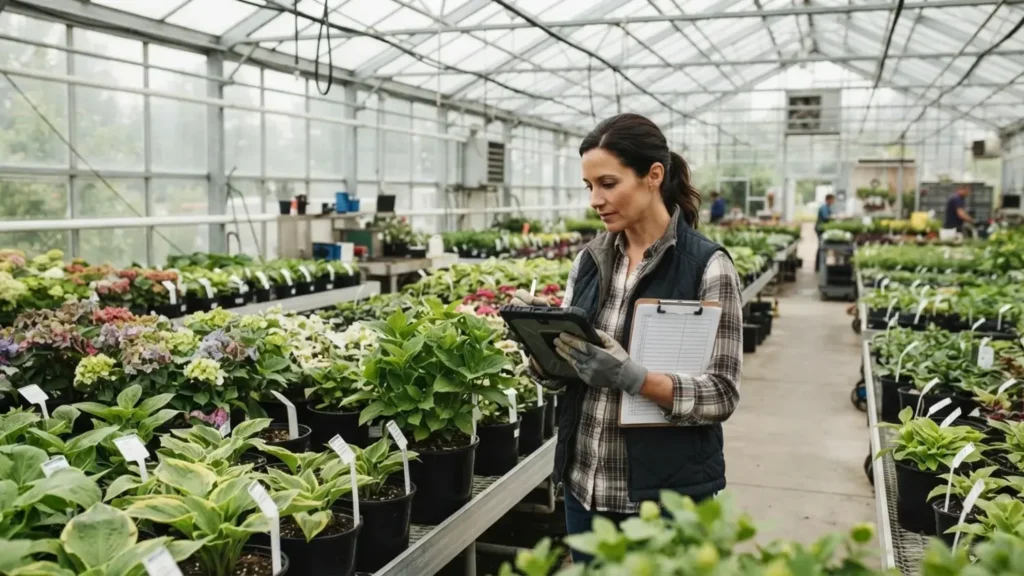
What Types of Insurance Can Cover Plant Nursery Stock?
The right insurance arrangement depends on whether a business primarily grows plants, resells purchased inventory, operates greenhouses, or manages a combination of these activities.
Three types of coverage deserve particular attention.
Commercial Property Insurance
Commercial property insurance protects eligible business property against covered causes of loss.
For a nursery, insured property may include buildings, office equipment, machinery, tools, and certain inventory. However, living plants require specific attention when reviewing the policy.
A standard commercial property policy may restrict or exclude coverage for plants growing outdoors. Greenhouse contents may also have different conditions from the structure itself.
Before purchasing a policy, nursery owners should ask:
- Are live plants included in the definition of covered property?
- Does the policy cover plants growing outdoors?
- Are greenhouse plants treated differently?
- Are container-grown and field-grown plants both eligible?
- Which weather-related losses are covered?
- Are there separate limits for plants and other inventory?
The answers should be confirmed in the actual policy documents. Insuring a greenhouse does not automatically mean that every plant inside it is insured.
USDA Nursery Value Select Insurance
For qualifying wholesale nursery operations in the United States, Nursery Value Select is an important specialized crop insurance program.
Administered by the USDA Risk Management Agency (RMA), NVS provides inventory-based coverage for eligible nursery plants. Producers select an insured value based on their inventory and applicable program requirements.
The program supports different growing practices, including container-grown and field-grown nursery plants.
NVS became especially important for the 2026 crop year because it replaced the previous Nursery Field Grown and Container (FG&C) program for new purchases beginning with that crop year.
The program includes ten plant categories, covering products such as:
- Liners.
- Annual plants.
- Herbaceous perennials.
- Foliage plants.
- Vines.
- Deciduous trees and shrubs.
- Evergreen trees and shrubs.
- Palms and cycads.
Not every plant automatically qualifies. Eligibility depends on the plant category, growing practices, inventory documentation, and other requirements established in the official crop provisions.
Nursery owners can review the USDA Nursery Value Select program to understand the current program structure.
Business Interruption Insurance
Plant damage is not the only financial concern for a nursery. A covered event affecting the business premises may also interrupt normal operations.
Business interruption insurance can help cover certain lost income and continuing operating expenses when a covered property loss causes an eligible interruption.
For example, a fire might damage an insured greenhouse or essential business equipment. Even after the immediate damage is addressed, the nursery may need time to repair the property and resume normal operations.
However, business interruption coverage does not automatically reimburse lost revenue from every plant-related incident. The underlying event must meet the policy’s requirements.
Owners should confirm whether the coverage applies to their growing and sales activities and whether additional protection is needed.
Who Qualifies for USDA Nursery Value Select?
NVS is designed for qualifying wholesale nursery producers, not every business that sells plants.
According to USDA eligibility guidance, a nursery must derive at least 40% of its gross income from wholesale plant marketing to eligible customers.
These customers include:
- Retailers that resell plants to end users.
- Landscape contractors.
- Government entities or organizations.
- Commercial fruit producers.
The nursery must also have a wholesale catalog that is provided to customers and used in plant sales.
Other requirements relate to the producer’s ownership or share in the inventory, plant eligibility, growing conditions, irrigation, and acceptable nursery locations.
This distinction matters for garden centers and retail plant shops. A business that mainly sells directly to homeowners should not assume it qualifies simply because it maintains a large amount of plant inventory.
Wholesale sales records and the remaining eligibility requirements need to be evaluated before applying.
What Does Nursery Value Select Actually Cover?
NVS provides protection against specified unavoidable causes of loss, subject to the applicable crop provisions and exclusions.
Covered causes of loss include certain adverse weather conditions, fire, wildlife, earthquake, and volcanic eruption.
The program also addresses qualifying losses involving plant value, irrigation water supply, or electrical power when the applicable conditions are satisfied.
However, coverage is not unlimited.
A plant damaged by an event does not automatically qualify for an insurance payment. The cause of loss, plant eligibility, applicable insurance period, and policy requirements all matter.
Understanding Important Coverage Exclusions
Some nursery owners assume that specialized crop insurance covers every problem affecting plant health. That is not the case.
For example, NVS generally excludes damage caused by disease and insect infestation unless an applicable exception or Special Provision provides otherwise.
Other restrictions may involve:
- Plants that become unsalable because a customer refuses to accept them.
- Certain sales restrictions or boycotts.
- Cold damage when required protection measures have not been installed or maintained.
- Damage resulting from causes not included in the insured causes of loss.
- Inventory that does not meet the program’s insurability requirements.
Cold protection is particularly important for certain container-grown plants. Applicable requirements may specify protective measures for particular categories and growing conditions.
Nursery owners should read the actual policy provisions rather than relying only on a general description of the program.
The official Nursery Value Select crop provisions provide more detail about covered causes of loss, exclusions, and producer responsibilities.
How Is Plant Nursery Stock Valued for Insurance?
Valuing nursery inventory can be more complicated than counting the number of plants on hand.
A young tree and a mature tree of the same variety may have very different values. Their size, condition, growing history, and marketability can affect what a buyer is willing to pay.
Insurance valuation also depends on the method specified by the policy or crop insurance program.
Under NVS, producers establish a Selected Value (SV) through their Nursery Value Report. The amount of insurance is calculated using the selected value and the coverage level selected, subject to program rules.
For additional coverage levels, monthly inventory value reporting requirements also apply.
A Practical Example of Nursery Inventory Records
Imagine a wholesale nursery that grows ornamental plants in containers.
Its internal inventory records might look like this:
| Plant type | Quantity | Recorded unit value |
|---|---|---|
| Ornamental shrubs | 1,000 | $18 |
| Young ornamental trees | 300 | $45 |
| Perennial plants | 800 | $12 |
These are illustrative business inventory figures, not official USDA approved values or an estimate of an insurance payment.
The nursery would need to follow the applicable reporting and valuation procedures when establishing its selected value under NVS.
Keeping records by plant category, quantity, and growing location can make this process easier.
What Documents Should Nursery Owners Keep?
Accurate documentation supports both insurance applications and the handling of potential claims.
For NVS, several reports and business records are particularly important.
Nursery Value Report
The Nursery Value Report (NVR) records the producer’s insurance selections and declared values for eligible plant inventory.
It is an important part of establishing the coverage selected under the program.
Monthly Unit Value Report
The Monthly Unit Value Report (MUVP) records maximum expected inventory values by month and insured plant category for each basic unit.
This is important because nursery inventory can change considerably throughout the year.
Wholesale Catalog or Price List
The applicable wholesale catalog or price list helps document the plants offered for sale and supports program eligibility and inventory valuation requirements.
Supporting Inventory Records
In addition to the required reports, nursery owners should maintain:
- Current plant inventory lists.
- Plant varieties and quantities.
- Supplier invoices and purchase records.
- Sales receipts and customer orders.
- Records of plant transfers and disposals.
- Growing location information.
- Photographs of inventory and damaged plants.
- Relevant growing and maintenance records.
These documents can help the business explain its inventory and respond to questions during an insurance review or claim.
What to Do When Nursery Stock Is Damaged
A nursery should have a clear response procedure for unexpected plant damage.
Quick action can help prevent further losses and preserve the information needed for an insurance claim.
1. Protect the Remaining Inventory
Take reasonable steps to prevent additional damage. Depending on the situation, this could involve maintaining appropriate irrigation, providing required plant protection, or moving vulnerable stock when practical.
Follow the insurer’s instructions before making decisions that could affect the assessment of the loss.
2. Report the Damage Promptly
For NVS policyholders, USDA guidance requires notification within 72 hours after initially discovering damage and no later than 15 days after the end of the insurance period.
These are important reporting requirements. Nursery owners should also follow their specific policy instructions and contact their insurance provider as soon as possible.
3. Record the Affected Plants
Document the affected inventory by location, plant category, and quantity.
Take photographs where appropriate and preserve relevant purchase records, inventory reports, and sales documentation.
Avoid relying only on estimates made after the incident. Records prepared before a loss can be especially useful.
4. Follow the Loss Adjustment Process
The insurer may arrange an inspection or request additional documentation to evaluate the damage.
For NVS, producers must follow the applicable loss adjustment procedures. Certain damaged plants cannot simply be discarded without following the required disposal process.
Cooperating with the adjuster and providing accurate information can help avoid unnecessary complications.
What Determines the Cost of Nursery Stock Insurance?
There is no single price for insuring plant nursery inventory. Premiums depend on the type of policy, the business’s risk profile, the value being insured, and the coverage selected.
For commercial insurance, important pricing factors may include:
- Total insured inventory value.
- Types of plants being grown or stored.
- Container-grown versus field-grown operations.
- Nursery location and weather exposure.
- Greenhouse construction and protection systems.
- Irrigation arrangements.
- Deductibles and coverage limits.
- Previous claims history.
For USDA NVS, premiums are determined under the program’s applicable rating rules, coverage selections, and other program provisions.
When comparing options, nursery owners should look beyond the quoted premium. A less expensive policy may have exclusions or limits that leave important parts of the business exposed.
How to Choose the Right Insurance for Your Nursery
Choosing insurance starts with understanding what the nursery needs to protect.
A wholesale grower with extensive outdoor inventory may need a different arrangement from a small retail nursery that purchases finished plants from suppliers.
A practical review should include the following steps:
- Prepare an inventory list. Record plant categories, quantities, growing methods, and estimated values.
- Identify all growing locations. Separate outdoor production areas, greenhouses, storage facilities, and other locations.
- Review your existing property policy. Check whether living plants are included and identify any specific restrictions.
- Check NVS eligibility. Wholesale producers should review the USDA requirements and discuss the program with an authorized crop insurance agent.
- Compare exclusions. Pay particular attention to disease, pests, cold protection, weather events, and inventory eligibility.
- Review seasonal changes. Confirm how the policy handles periods when plant inventory increases.
- Ask for written clarification. Make sure coverage limits, deductibles, reporting deadlines, and claims procedures are clear.
Nursery owners evaluating their wider business risks can also review insurance options available to plant nursery businesses to understand how property protection and other insurance needs fit together.
Common Mistakes to Avoid
Even a nursery with insurance can face unexpected financial exposure if important policy details are overlooked.
Assuming Every Plant Is Insured
A commercial property policy may cover buildings and equipment without providing the same protection for living inventory. Confirm the treatment of plants specifically.
Keeping Outdated Inventory Records
Plant quantities and values change throughout the growing season. Old inventory records may not accurately represent the stock being maintained.
Overlooking Cold Protection Conditions
Certain NVS plant categories have specific cold protection requirements. Owners should understand which conditions apply to their inventory and locations.
Confusing Retail Sales With Wholesale Eligibility
Selling plants does not automatically qualify a business for USDA nursery crop insurance. The wholesale income requirement and other eligibility rules must be satisfied.
Delaying Damage Notifications
Waiting too long to report a loss can create problems when the policy requires prompt notification.
Choosing Coverage Based Only on Price
Premiums matter, but exclusions, coverage limits, valuation procedures, and claims requirements are equally important when deciding whether a policy meets the nursery’s needs.
Frequently Asked Questions
Does insurance on plant nursery stock cover weather damage?
It depends on the policy. USDA Nursery Value Select covers specified unavoidable damage from certain adverse weather conditions, subject to the crop provisions and exclusions. Commercial property policies may have different conditions for weather-related plant losses.
Can a small plant nursery insure its inventory?
Potentially. Some commercial insurers may offer suitable coverage depending on the nursery’s activities and risks. However, eligibility for USDA NVS is subject to specific wholesale requirements, including the applicable gross-income threshold.
Does Nursery Value Select cover greenhouse plants?
Eligible plants grown under qualifying container or field production practices may be covered. However, the greenhouse structure and the plants inside it are not automatically insured together. Both the plant eligibility requirements and the applicable policy provisions must be reviewed.
Are plant diseases covered by nursery stock insurance?
Disease and insect damage are generally excluded under NVS unless an applicable exception or Special Provision provides coverage. Other commercial insurance policies may also restrict plant disease losses.
How do nursery owners calculate their insured plant inventory value?
The method depends on the insurance arrangement. Under NVS, producers establish a Selected Value through their Nursery Value Report and follow applicable inventory reporting requirements. Commercial property policies may use different valuation methods.
Does nursery stock insurance cover lost sales?
Not necessarily. Coverage for lost business income is usually addressed through business interruption insurance, which requires an eligible covered event and compliance with the policy’s conditions.
How can a nursery apply for USDA Nursery Value Select?
An eligible nursery producer can contact an authorized crop insurance agent to discuss the program, application requirements, inventory documentation, coverage selections, and applicable deadlines.
Final Thoughts
Plant inventory is one of the most important assets a nursery business maintains, but protecting it requires more than assuming that a standard business policy covers every growing area.
The right arrangement depends on the plants being grown, the nursery’s sales model, its locations, and the causes of loss it wants to address.
For qualifying wholesale producers, USDA Nursery Value Select offers a specialized option for insuring eligible nursery inventory. Other businesses may need to explore commercial property insurance or alternative coverage arrangements.
The most useful starting point is a current inventory, a careful review of existing policies, and a conversation with an insurance professional who understands nursery operations.
Knowing exactly what is covered, what is excluded, and how a claim must be documented can help nursery owners make better decisions before an unexpected loss occurs.
admin
Practical business guides, useful tools, and technology insights from BusinessNexa.



Work smarter with practical business tools.
Explore useful calculators, guides and tools for modern businesses.