
How Hard Is It to Insure a Commercial Greenhouse?
A commercial greenhouse is not an ordinary business property. It combines a building, specialized equipment, growing inventory, environmental control systems, […]
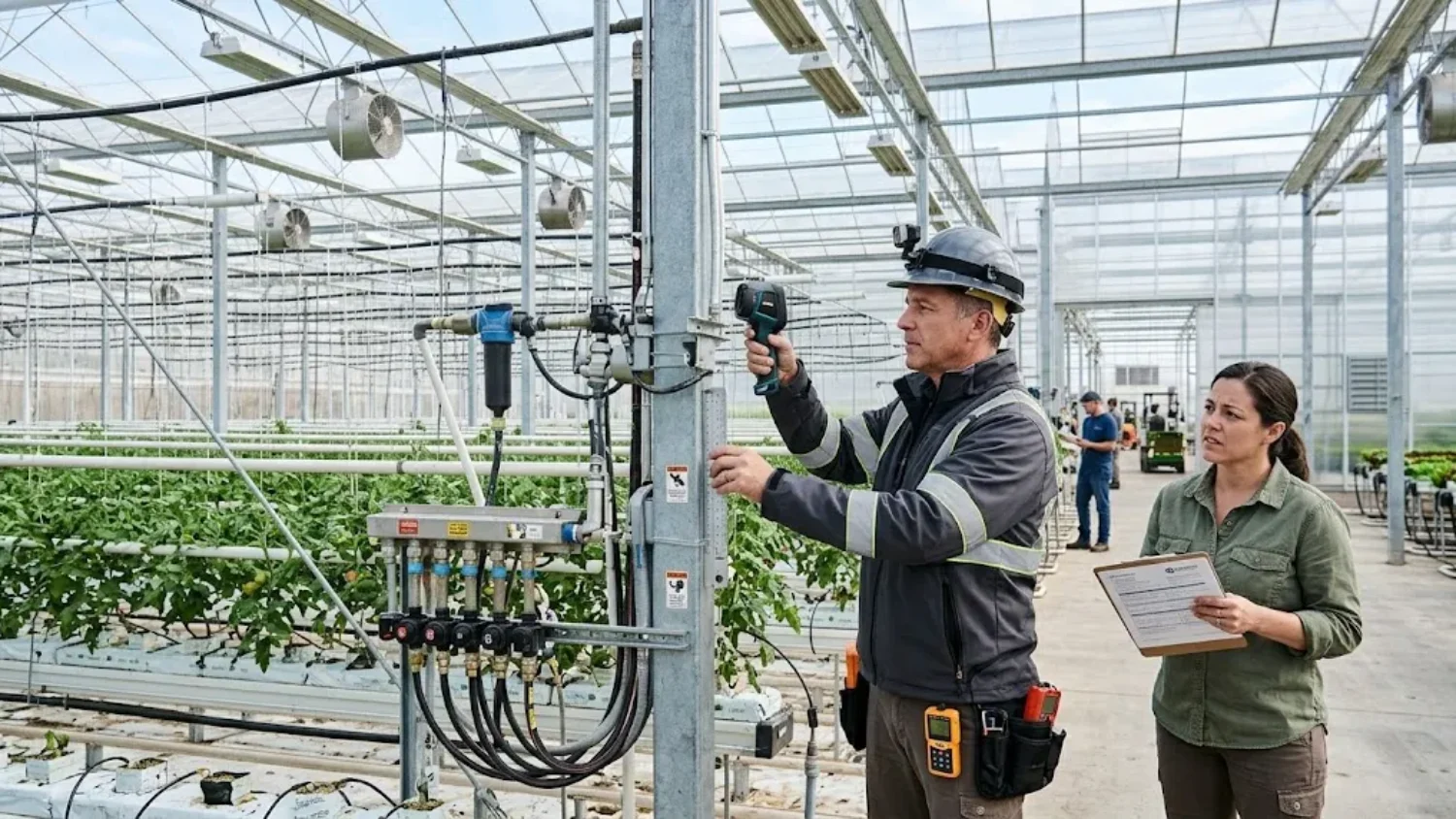

A commercial greenhouse is not an ordinary business property. It combines a building, specialized equipment, growing inventory, environmental control systems, and daily operations that may depend on stable temperature, ventilation, and irrigation.
These characteristics can make the insurance application more detailed than the process for some conventional commercial properties. An insurer may need to understand the greenhouse structure, its location, the plants being grown, the equipment used, and the potential financial impact of an interruption.
So, how hard is it to insure a commercial greenhouse? The answer depends on the individual operation. Many facilities can obtain suitable coverage, but older structures, incomplete records, severe weather exposure, and previous losses may create additional underwriting challenges.
Understanding the approval process can help greenhouse owners prepare a stronger application and identify coverage gaps before purchasing a policy.
Is It Difficult to Get Insurance for a Commercial Greenhouse?
Insuring a commercial greenhouse can require more specialized information than insuring a standard office or retail property. The insurer must understand not only the building but also the business activities taking place inside it.
For example, a greenhouse that grows flowers for wholesale customers may have different risks from a retail nursery that welcomes visitors or a commercial facility producing vegetables throughout the year.
Some insurers have experience with agricultural and horticultural properties, while others may have limited appetite for these risks.
The process is usually more manageable when the owner can provide accurate building details, equipment records, inventory estimates, safety information, and a clear description of the operation.
Why Commercial Greenhouses Receive Special Underwriting Attention
Underwriting is the process insurers use to evaluate a risk and decide whether to offer coverage, what terms to apply, and how to price the policy.
Commercial greenhouses can require closer evaluation for several reasons.
1. Weather and Structural Exposure
Greenhouses are designed to protect plants, but their structures remain exposed to outside weather.
Wind, hail, heavy snowfall, and severe storms can damage frames, glazing, roofing, and supporting components.
An insurer may examine the building’s location, structural design, foundation, anchoring, and maintenance history.
2. Different Greenhouse Construction Types
Commercial facilities may use glass, polycarbonate, plastic film, metal frames, or combinations of materials.
These structures have different replacement requirements and may respond differently to weather events.
The insurer may ask for:
- Frame and foundation details
- Roofing and glazing materials
- Building age and dimensions
- Structural inspection records
- Previous repairs or upgrades
Providing accurate information helps avoid misunderstandings about the property being insured.
3. Heating and Electrical Systems
Many greenhouses depend on heating, ventilation, cooling, and electrical control systems.
A failure may affect the growing environment, while poorly maintained electrical equipment or heating systems can create additional property risks.
Insurers may ask about equipment age, servicing, fuel arrangements, electrical inspections, and fire protection.
4. Plant and Growing-Stock Exposure
A greenhouse may contain plants at different stages of growth. A loss can affect current inventory and future sales commitments.
However, building coverage does not automatically mean the plants inside the structure are insured.
Owners should explain what they grow, how inventory is valued, and whether they need specialized crop or growing-stock protection.
5. Business Interruption Risk
A greenhouse can lose income when a covered event makes its facilities or essential equipment unavailable.
The financial impact may include delayed orders, lost sales, additional operating expenses, and disruption to production.
Insurers may need financial information to assess the level of business interruption protection being requested.
What Determines Whether a Commercial Greenhouse Is Insurable?
An insurer generally evaluates the complete operation rather than relying on one characteristic.
Building Condition and Maintenance
The condition of the greenhouse is an important part of the application.
An older building is not automatically uninsurable, but missing maintenance records, damaged structural components, or unresolved safety problems may require additional attention.
Geographic Location
The location can affect exposure to severe weather, flooding, and other environmental risks.
An insurer may assess the local conditions and the protections available at the property.
Type of Greenhouse Business
The nature of the operation influences the type of coverage needed.
For example:
- A wholesale flower grower may have substantial plant inventory and delivery exposure.
- A retail nursery may need to consider customer and visitor liability.
- A vegetable producer may have seasonal growing and supply commitments.
- A hydroponic operation may rely heavily on specialized irrigation and environmental control equipment.
The insurer needs to understand what happens at the facility, not just what the building looks like.
Equipment and Safety Arrangements
Heating, ventilation, cooling, irrigation, electrical systems, and generators should be maintained appropriately.
Inspection records, equipment servicing documents, and written safety procedures can help demonstrate that the business manages its operational risks.
Previous Claims and Loss History
An insurer may review previous property damage, liability claims, and other reported losses.
A previous claim does not automatically prevent future coverage. However, repeated or significant losses may affect eligibility, premiums, deductibles, or policy terms.
What Documents Do You Need to Insure a Commercial Greenhouse?
Preparing documents before approaching insurers can make the process more efficient.
Property and Construction Information
Prepare:
- Greenhouse dimensions and number of structures
- Construction materials and building age
- Foundation and anchoring information
- Property photographs
- Structural inspection reports, if available
- Details of major repairs and improvements
Equipment Records
Create an inventory of heating systems, boilers, ventilation units, irrigation equipment, generators, pumps, and other machinery.
Record the age, condition, and estimated replacement value of important assets.
Plant and Inventory Information
Explain the types of plants being grown and estimate their value.
If the value changes significantly throughout the year, describe the seasonal pattern rather than providing only one figure.
Business and Financial Records
Prepare information about:
- Business activities
- Annual revenue
- Number of employees
- Customer and supplier arrangements
- Previous insurance claims
- Estimated operating expenses
The insurer may request additional details depending on the coverage being considered.
What Types of Insurance Can a Commercial Greenhouse Obtain?
A commercial greenhouse may need several forms of protection.
Commercial Property Insurance
Commercial property coverage may protect eligible buildings, equipment, and other business property against specified losses.
Owners should confirm that the greenhouse structures themselves are included and understand how the policy treats glazing, coverings, fixtures, and attached buildings.
General Liability Insurance
General liability may address certain third-party claims involving bodily injury and property damage.
It can be particularly relevant when customers, suppliers, contractors, or visitors enter the property.
Equipment Breakdown Insurance
This coverage may address certain mechanical or electrical breakdowns involving covered equipment.
Ask whether resulting damage to plants or interruption of operations is also addressed. The answer depends on the policy.
Crop or Growing-Stock Insurance
Specialized arrangements may provide protection for certain crop or plant losses.
Coverage can vary significantly. Some greenhouse insurance programs are designed to address crop losses and certain reductions in yield associated with equipment problems, subject to the policy’s terms.
Business Interruption Insurance
Business interruption coverage may help with eligible lost income and continuing expenses after a qualifying covered event.
The waiting period, restoration period, exclusions, and coverage limit should be reviewed carefully.
Workers’ Compensation and Commercial Auto
Businesses with employees or commercial vehicles should review the applicable insurance requirements and coverage needs in their state.
What Can Make a Greenhouse Insurance Application Difficult?
Some circumstances may lead to additional questions or a decline from a particular insurer.
Poor structural condition: Damaged frames, deteriorating foundations, or unresolved roof problems may require repairs or inspection.
Incomplete documentation: Missing property details, equipment records, or replacement values can delay underwriting.
High weather exposure: Locations with significant storm or flood exposure may have fewer available coverage options.
Inadequate safety measures: Poorly maintained electrical systems, heating equipment, or fire protection can raise concerns.
Repeated claims: A history of frequent losses may lead to closer review or different policy terms.
These issues do not mean that every insurer will reject the business. Different insurers have different underwriting requirements and risk appetites.
How to Improve Your Chances of Getting Commercial Greenhouse Insurance
Preparation can make the application more straightforward and help address concerns before requesting a quote.
Step 1: Arrange a Property Inspection
Review the structure, foundations, roofing, frames, and coverings. Address visible maintenance problems and keep records of completed repairs.
Step 2: Service Critical Equipment
Maintain heating, ventilation, cooling, electrical, and irrigation systems. Keep service records and follow appropriate safety procedures.
Step 3: Organize Your Insurance Information
Prepare building details, property values, equipment lists, inventory estimates, and business records.
Accurate information is more useful than unsupported estimates.
Step 4: Document Risk Management Procedures
Maintain appropriate fire protection, access control, security, emergency procedures, and employee safety practices.
Step 5: Work With a Specialist Broker
A commercial insurance broker familiar with greenhouse or agricultural risks may know which insurers are willing to consider the operation.
Specialist experience can be especially useful when the business has unusual structures, high-value crops, or specialized growing equipment.
What Should You Do If an Insurer Declines Your Application?
A rejection from one insurer does not automatically mean that the greenhouse cannot be insured.
Start by asking for the reason behind the decision.
Understand the Underwriting Concern
Find out whether the issue relates to the building, location, claims history, equipment, safety, or type of business activity.
Address Problems Where Possible
If the insurer identifies maintenance or safety concerns, determine whether repairs, inspections, or improved documentation can address them.
Request a Review After Improvements
Once relevant issues have been resolved, ask whether the insurer is willing to reassess the application.
Explore Specialist Insurance Markets
A broker experienced in greenhouse and agricultural risks may help identify alternative insurers or specialized coverage arrangements.
Do not assume that an alternative policy offers the same protection. Compare its limits, exclusions, deductibles, and conditions.
How to Compare Commercial Greenhouse Insurance Quotes
The cheapest quote is not necessarily the best option.
Compare each proposal using the same basic questions:
| Comparison point | What to check |
|---|---|
| Building coverage | Are the greenhouse structures included? |
| Equipment | Are essential machines covered? |
| Plant inventory | Are crops or growing stock protected? |
| Liability | What claims and limits are included? |
| Deductibles | How much must the business pay after a covered loss? |
| Weather exclusions | Are wind, hail, and flood losses addressed? |
| Business interruption | What events and periods qualify? |
| Valuation | Is property covered at replacement cost or another basis? |
A policy should reflect the actual risks of the business rather than simply offer the lowest premium.
Frequently Asked Questions
Can a Newly Built Commercial Greenhouse Get Insurance?
Yes. A new greenhouse may qualify for coverage, although the insurer may request construction documents, structural information, property values, and safety details.
Are Older Greenhouses Harder to Insure?
They may receive additional scrutiny, particularly when structural condition or maintenance records are unclear. Eligibility depends on the building and the insurer’s requirements.
Does Greenhouse Size Affect Insurance Approval?
Size can influence property values and potential losses, but it is only one part of the underwriting decision.
Can a Commercial Greenhouse Be Insured Without Crop Coverage?
Possibly. Building and equipment coverage may be available separately from crop or growing-stock protection. Owners should understand exactly what is and is not included.
Is Greenhouse Insurance Legally Required?
Requirements depend on the state, business activities, employees, financing arrangements, leases, and contracts. A lender or landlord may require certain coverage even when a specific policy is not universally mandated by law.
Conclusion
Insuring a commercial greenhouse can involve more detailed underwriting than insuring an ordinary business property, but the process is not necessarily difficult for every operation.
Building condition, construction materials, location, equipment, growing inventory, safety arrangements, and previous claims all influence the insurer’s decision.
The best approach is to prepare accurate records, maintain the property, document safety procedures, and compare coverage with the help of an experienced commercial insurance professional.
For a closer look at the financial side of greenhouse protection, read our guide on what business insurance may cost for a greenhouse.
admin
Practical business guides, useful tools, and technology insights from BusinessNexa.


Work smarter with practical business tools.
Explore useful calculators, guides and tools for modern businesses.